
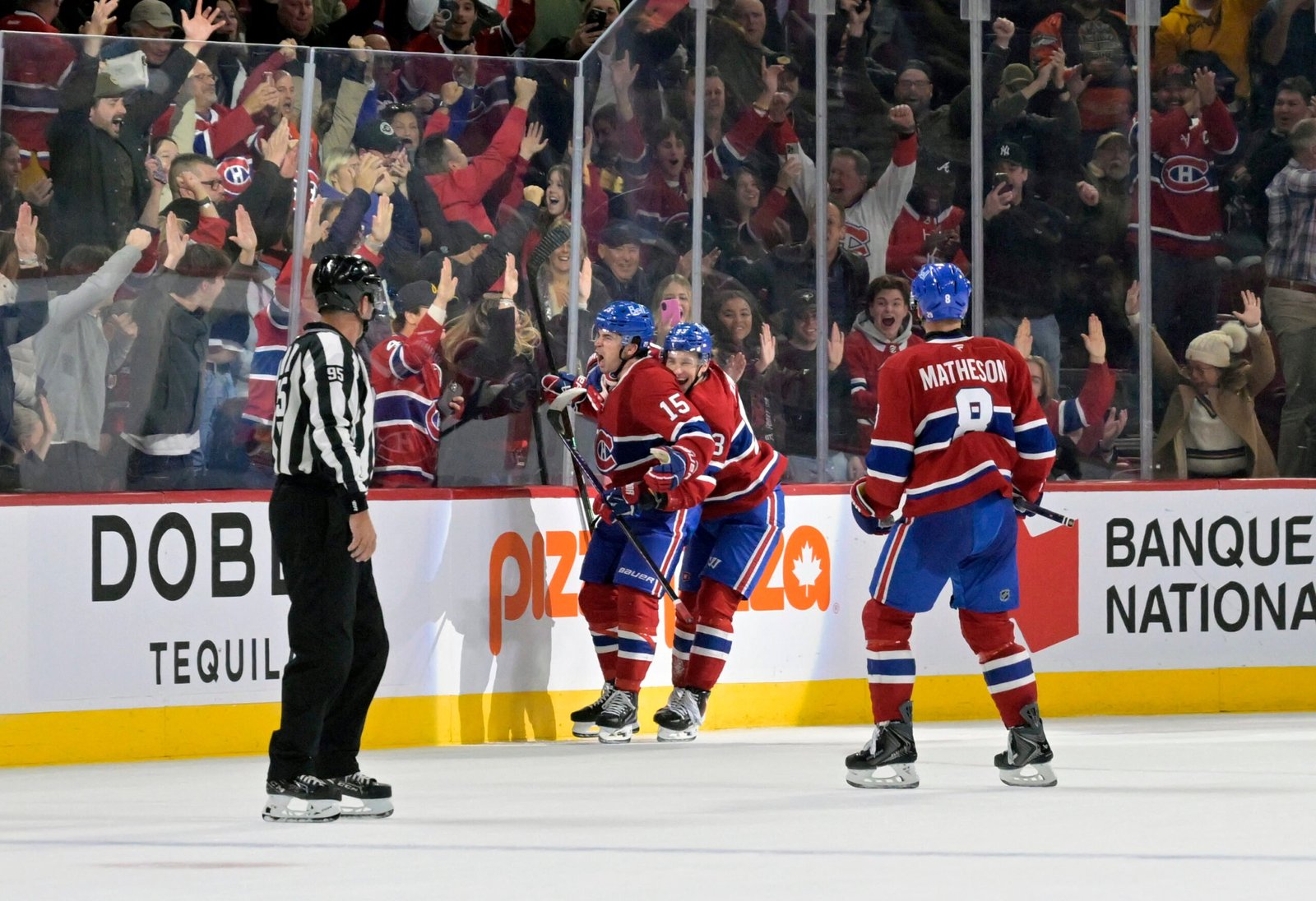
3-on-3 overtime? More like 3-on-3 keep away.
The strategy for playing 3 on 3 has shifted since it was instituted ahead of the 2015-16 season. It’s all about puck possession now rather than pressing for offense.
These days, if the puck-possessing team doesn’t like the look they have when they gain the offensive zone, instead of trying to make something happen, they just carry or pass it back to their own zone with hopes of setting up a better rush. Sometimes they pass all the way back to their goaltender.
Carry the puck in, take no shot, retreat to your own end, rinse, repeat.
Teams seem more focused on not getting scored on than actually scoring; the thought seems to be that your opponent cannot score if they never touch the puck.
Take this recent overtime between the Toronto Maple Leafs and Winnipeg Jets as an example. While this one does actually end with a goal by Max Domi, the two teams carry, pass, or otherwise move the puck back over centre no fewer than six times in less than three minutes — Auston Matthews with 4:46 remaining on a carry, Matthews again with 4:08 remaining on an errant pass, John Tavares with 3:42 remaining on a kick, Matias Maccelli with 2:56 remaining on a pass, Matthew Knies with 4:21 to go on a carry, and Mark Scheifele with 2:05 to go on a carry.
This type of risk aversion — which we saw in every Winter Olympics overtime session, including in the gold medal match, and see frequently across the NHL — has made 3 on 3 a snooze-fest that no longer does what it was implemented to do: create frenetic, end-to-end action with plenty of odd-man rushes.
3 on 3 Settling Fewer Games Than Ever Before
And more importantly, preventing games from going to a shootout.
Not only is 3 on 3 boring now, but it also is settling fewer games than ever.
Because teams are wasting a lot of the five-minute frames standing around or ragging the puck in their own zone and are taking fewer shots, there have been fewer game-winners.
Coming out of the Olympic break, 227 games have gone past regulation, but only 144 overtimes featured a goal (63.4 percent). Not surprisingly, goals for and shot volumes at 3 on 3 are at all-time lows.
Only 77 games went to a shootout all last season — an all-time low in the 3 on 3 era — but this season has already surpassed that and is on pace to finish with more shootouts than the previous 3 on 3-era high of 107 (in 2015-16, when teams were still figuring out how to adapt from 4 on 4).
There have already been 83 shootouts this season and there are 441 more games to go, putting the league on pace for 125. Shootouts aren’t fun to watch, and it’s pretty revealing what the NHL thinks of them considering they don’t even count as a win in some tiebreaker situations.
Potential Solutions
So, how does the NHL fix and make 3 on 3 fun — and effective at ending games — again?
Extend 3 on 3
The simplest solution would be just to extend 3 on 3 to 10 minutes or until someone wins. That doesn’t really solve the boringness factor, though, and only prevents games from going to a shootout. That is a laudable goal, but not a complete solution, and also a potential nightmare for television broadcast schedules and journalists writing to the deadline.
Borrow From Basketball’s Rulebook
Another solution, and perhaps the most impactful, would be outlawing teams from carrying or passing the puck back over centre after they cross it. This is against the rules in basketball and is referred to as an “over and back.” A potential punishment for doing so could be play being whistled and a faceoff in the offending team’s defensive zone. There could potentially even be a delay of game minor assessed for repeated infractions — the threat of going down a man in next-goal-wins play would prevent teams from retreating for sure.
Another solution, which could be implemented in tandem with an “over-and-back” rule or on its own, takes another page from the basketball rulebook in the form of a shot clock. A team, upon crossing centre, could have so many seconds before they have to fire a puck at the net and if they don’t, the play could be stopped with the same penalties applied.
Switch to a 3-2-1 Point System
A final solution would be to institute the 3-2-1 point system, where teams get three points for a regulation win but only two for an overtime or shootout win. This system, which motivates teams to try and win in regulation rather than playing conservatively late in tie games for the “loser” point, is used in the Canadian Hockey League and internationally and could prevent overtimes from happening in the first place.
Going to this system has been a popular idea for NHL reform for more than a decade for many reasons unrelated to overtime play, but Commissioner Gary Bettman said earlier this month there’s “not much discussion” about the league going to that format and that they like what they have.
Related: NHL Must Switch to 3-2-1 Point System
Whatever reform takes place, it’s clear some is needed. NHL teams are gaming the system and circumventing what 3 on 3 was meant to be, and now it’s time for the league to change the rules of the game.

