
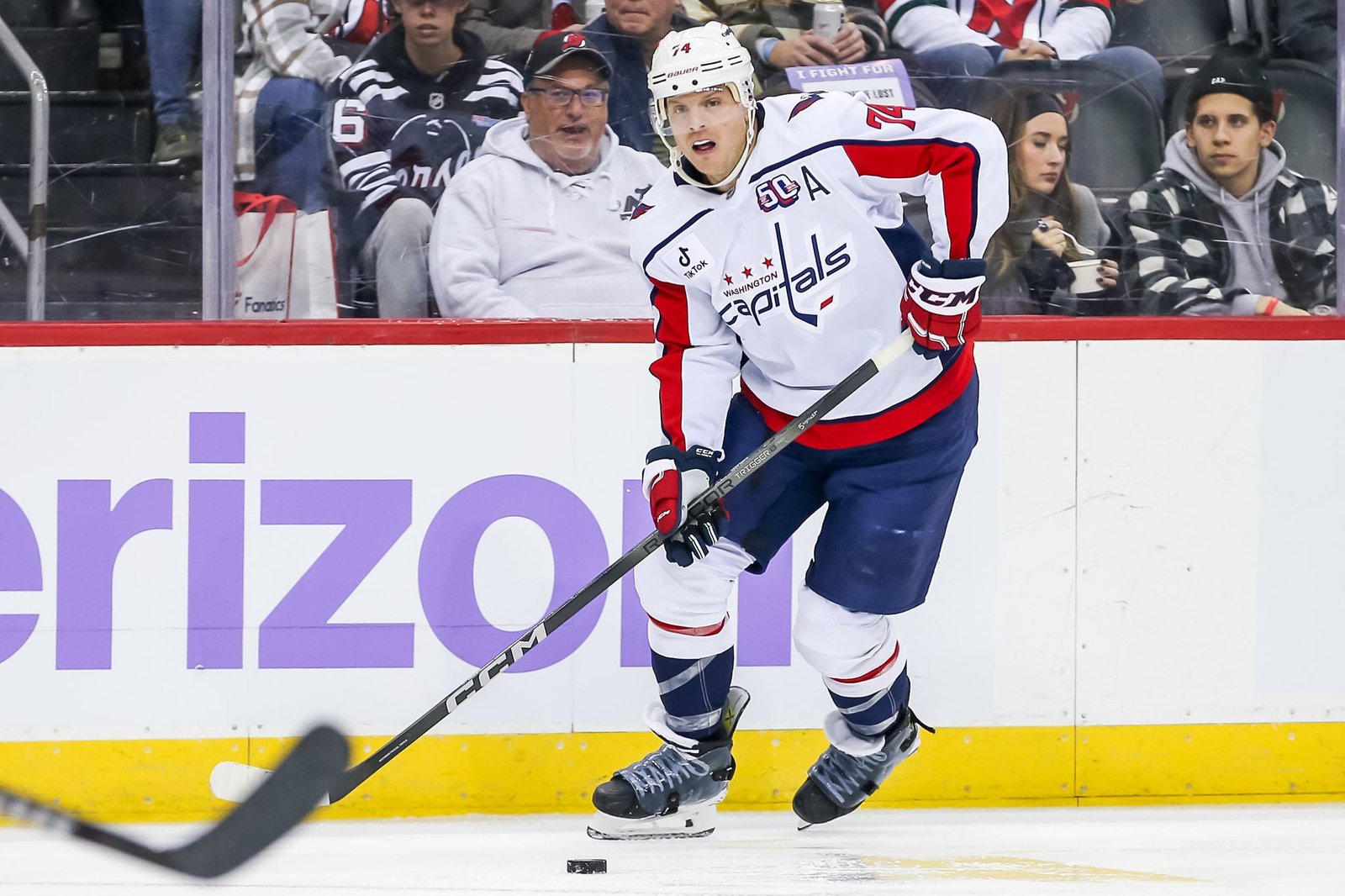
The 2026 NHL Trade Deadline has come and gone, and for the first time in nearly a decade, the Anaheim Ducks weren’t just gathering assets. General manager Pat Verbeek, known for his “Grumpy Old Men” approach to roster grit, finally pushed his chips into the middle of the table.
Related: NHL Trade Grades: Ducks Upgrade Defense in Shocker John Carlson Deal With Capitals
The acquisition of John Carlson from the Washington Capitals is the kind of move that signals a franchise has graduated from the “rebuild” phase and entered the “threat” phase. But in a Western Conference currently dominated by the high-altitude firepower of the Colorado Avalanche and the clinical depth of the Dallas Stars, does one veteran defenseman truly move the needle for a Stanley Cup run?
The John Carlson Acquisition: A Masterclass in Asset Management
The price tag for Carlson — a conditional 2026 first-round pick and a 2027 third-rounder — might seem steep for a 36-year-old pending unrestricted free agent. However, context is everything. By absorbing Carlson’s full $8-million cap hit, Verbeek protected his “crown jewel” prospects.
The Ducks managed to land a top-pairing defenseman without losing names like Pavel Mintyukov or any of their high-ceiling young forwards. Reports indicated that Verbeek toyed with the idea of moving Mintyukov for Nazem Kadri, but ultimately held his ground. Keeping a 22-year-old cornerstone while adding a veteran power-play quarterback is a win for both the present and the future. If Anaheim misses the dance this year, that first-round pick slides to 2027, providing a crucial safety net for a team still finding its footing at the top of the standings.
Fixing the Right-Shot Deficit on the Blue Line
For the tactical observer, the Carlson trade isn’t just about “getting a good player.” It’s about roster optimization. Before this trade, the Ducks’ defensive corps was notoriously left-heavy. While having talented puck-movers is great, playing defensemen on their off-side often leads to slower transitions and compromised passing lanes.
Carlson provides an immediate solution:
- The Right-Side Anchor: He slots in instantly as the team’s premier right-handed shot.
- Depth Realignment: His arrival allows veterans like Jacob Trouba and Radko Gudas to slide down the depth chart. Instead of asking Trouba to eat elite-level minutes against the opposition’s top line, he can now thrive in a shutdown role on the second or third pairing.
- The Power Play Quarterback: Despite his age, Carlson remains one of the league’s most cerebral passers. With 46 points in 55 games before leaving D.C., he brings a level of offensive instinct that Anaheim’s man-advantage has lacked during this recent surge.
Pacific Division Dominance vs. Western Conference Reality
The immediate impact of this trade is felt most acutely in the Pacific Division race. The Ducks have been surging, and adding Carlson effectively cements them as a favorite to secure home-ice advantage in the first round.
However, we need to be realistic about what “contender” means in 2026. While Carlson improves the Ducks’ odds — sportsbooks moved them from +6500 to +5000 following the trade — they remain significant longshots compared to the heavyweights.
The Western Conference is currently a gauntlet. To reach the Final, Anaheim would likely have to navigate a path through the Avalanche (+260) or the Stars (+1550). These are teams with established “playoff DNA” and rosters that have been battle-tested over multiple deep runs. As Steve Silverman noted, while the Ducks are a rising force, they would enter a series against the Avs or Stars as decisive underdogs.
The Ryan Strome Departure and Locker Room Dynamics
To make room for this new era, the Ducks moved Ryan Strome to the Calgary Flames. While the specific return may not grab headlines, the subtraction is telling. Strome provided veteran leadership during the leaner years, but his departure signifies that the “bridge” players are being replaced by “destination” players.
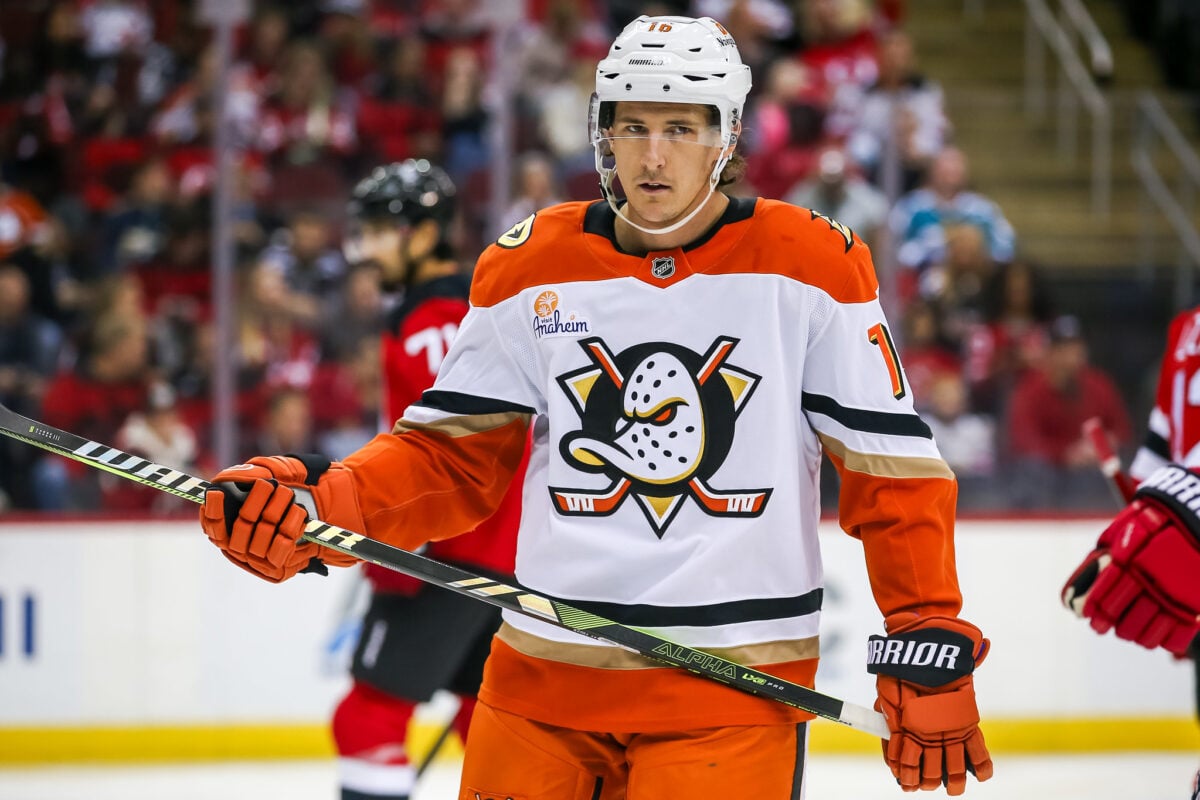
The Ducks are no longer just looking for guys to help the kids grow; they are looking for guys who can win a puck battle in the final two minutes of a Game 7.
Verdict: Is a Stanley Cup Run Realistic?
So, has Verbeek built a champion? Not yet. But he has built a team that no one wants to see in the first round.
The Carlson trade is a high-floor, high-reward move. It fixes a glaring tactical weakness on the right side of the ice and gives their young stars a legitimate veteran to lean on during the postseason pressure cooker.
The Outlook: Expect the Ducks to be a legitimate threat to win the Pacific Division. A deep run to the Western Conference Final would require some luck and a career-defining performance from their goaltending, but for the first time in a long time, the conversation in Anaheim isn’t about the Draft Lottery — it’s about the chase.
The Ducks have officially arrived. They might not be the favorites to lift the Cup in June, but they are finally relevant again, and in the NHL, that is the hardest leap to make.
AI tools were used to support the creation or distribution of this content, however, it has been carefully edited and fact-checked by a member of The Hockey Writers editorial team. For more information on our use of AI, please visit our Editorial Standards page.

