
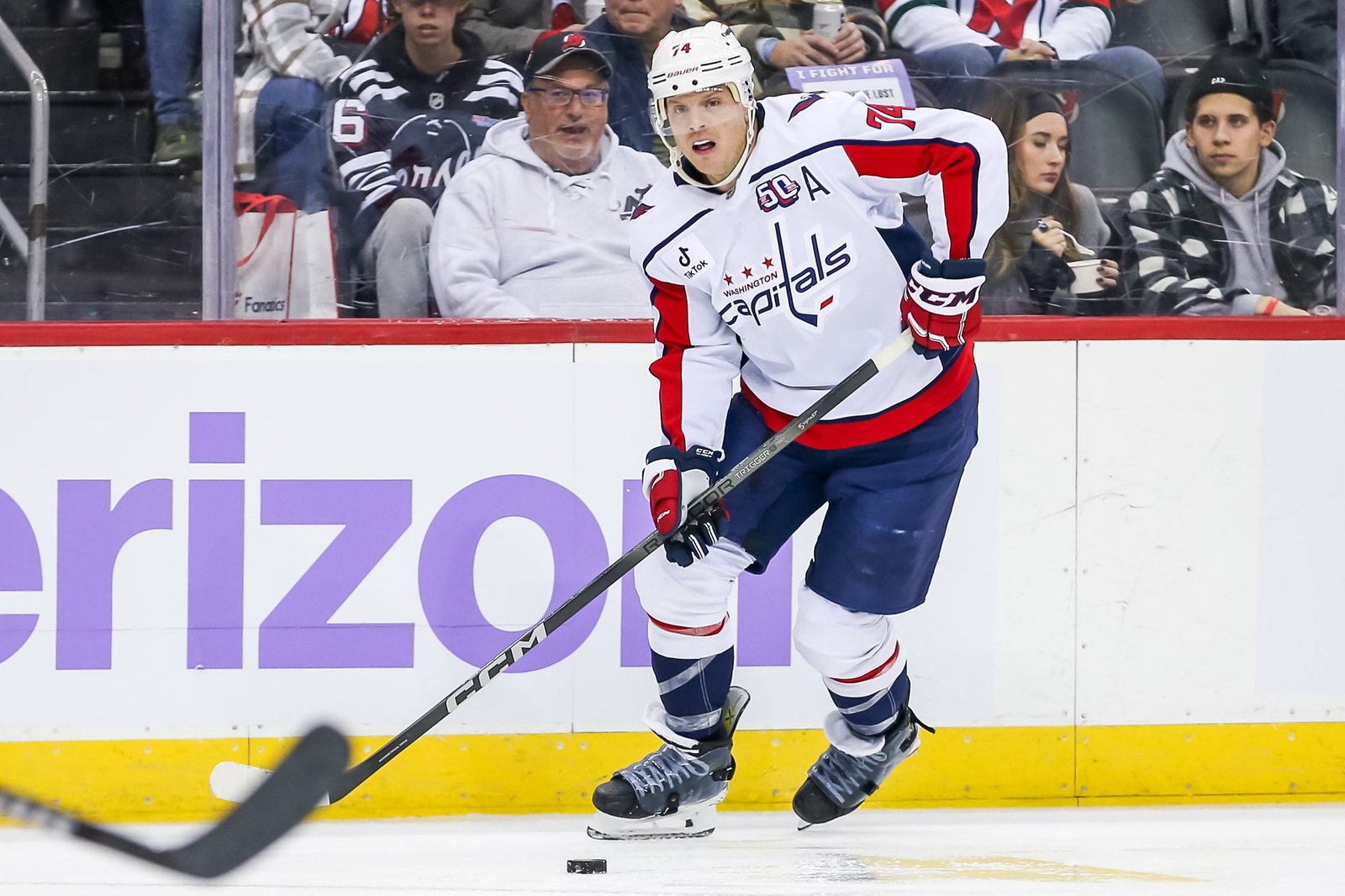
For 17 seasons, John Carlson was the constant in D.C. He was the power-play quarterback, the minute-muncher, and the last remaining pillar of a defensive core that brought a Stanley Cup to the capital in 2018. But as the 3:00 PM deadline passed this Friday, the unthinkable became reality: Carlson is heading to the Anaheim Ducks, and the Washington Capitals have officially signaled that the “win-now” era, at least in its traditional form, is over.
General manager Chris Patrick didn’t just tip his hand; he flipped the table. By acting as both a seller of franchise icons and a buyer of low-cost reclamation projects, the Capitals have entered a precarious “retool” that aims to keep the team competitive for Alex Ovechkin’s final milestones while aggressively restocking a depleted cupboard.
The Defensive Divorce and the Swedish Reunion
The headline, of course, is the Carlson trade. Moving a player who leads your franchise in nearly every defensive category — goals, assists, points, and games played — is a gut-punch to the locker room. Alex Ovechkin’s reaction was characteristically blunt, calling it the “saddest day” of his career.
In exchange for the 36-year-old, Washington netted a conditional first-round pick (2026 or 2027) and a 2027 third-rounder from the Ducks. It is a solid haul for a pending unrestricted free agent (UFA), but it leaves a 23-minute-per-night void on the top pair. To bridge that gap, Patrick pivoted to the San Jose Sharks to grab 26-year-old Timothy Liljegren for a 2026 fourth-round pick.
The logic here is clear: Liljegren hasn’t quite lived up to his first-round pedigree, but he’s right-handed and has existing chemistry with Rasmus Sandin from their days in Toronto. If the Sandin-Liljegren pairing can recapture its former magic, Washington effectively replaces a departing legend with a younger, cheaper top-four option who fits their new timeline.
Swapping Grit: From Dowd to Kampf
On the forward front, the departure of Nic Dowd to the Vegas Golden Knights marks the end of an eight-year tenure for one of the league’s most reliable fourth-line centers. Dowd was the heartbeat of the PK and a defensive zone start specialist. Replacing him is David Kampf, acquired from the Vancouver Canucks for a 2026 sixth-round pick.
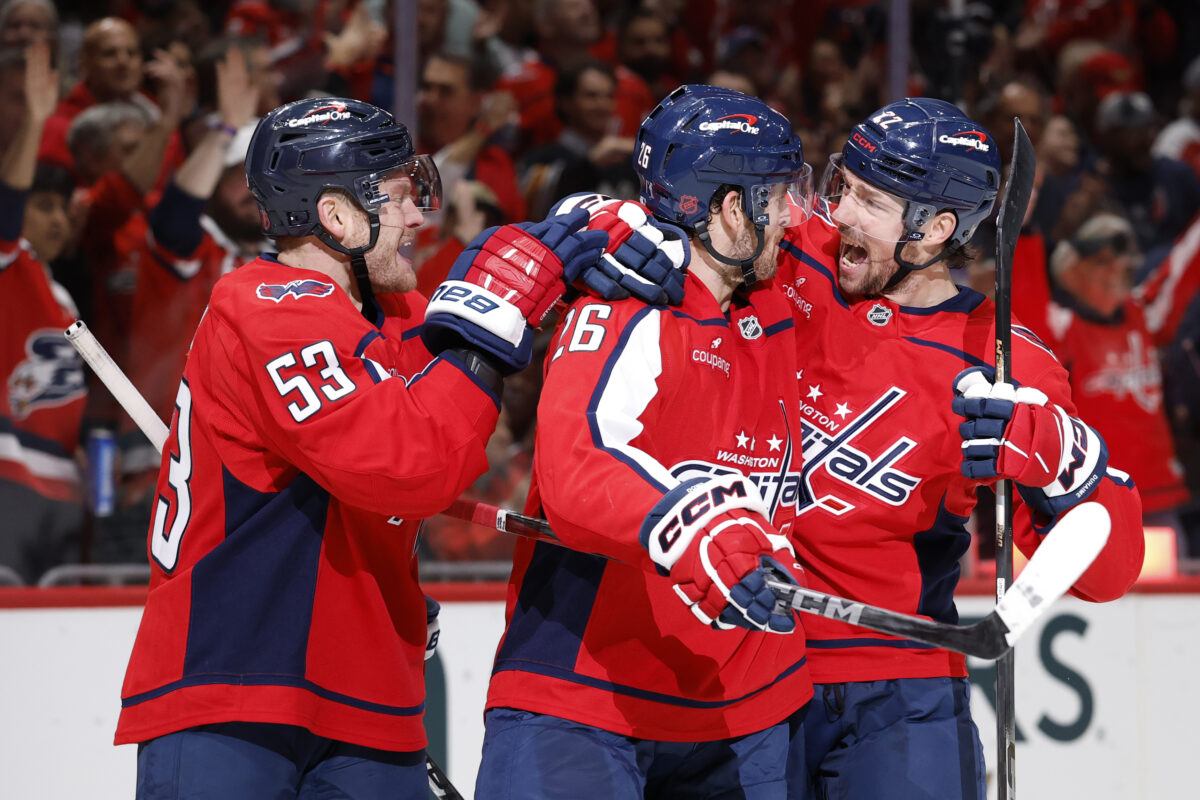
Kampf is, for all intents and purposes, Dowd-lite. He’s a specialized defensive center who excels at the unglamorous side of the puck. While the drop-off in pure veteran leadership might be felt, the trade was more about the assets than the swap. Along with Kampf, the Caps secured a 2029 second-round pick, a 2027 third-rounder, and goaltending prospect Jesper Vikman. For a 35-year-old bottom-six forward, that is a masterclass in maximizing value.
Prospect Bottlenecks and Developing “The Next Wave”
While the draft capital grew, the immediate impact on the prospect pool is a point of contention. By bringing in rentals like Liljegren and Kampf, the front office is essentially placing a “yield” sign in front of their most NHL-ready youngsters.
Hendrix Lapierre, Justin Sourdif, and the towering Ilya Protas are all knocking on the door. Lapierre, in particular, has seen his development stall slightly, and there’s a valid argument that he needs top-nine minutes — not another stint in Hershey — to prove he’s a long-term solution. By opting for veteran “safe” plays for the stretch run, the Caps risk burning another year of development for players who are supposed to be the bridge to the post-Ovechkin era.
Financial Flexibility: Clearing the Deck
If you’re looking for the “Win” in this deadline, look at the ledger. The Capitals’ salary cap situation has gone from “tight” to “limitless.”
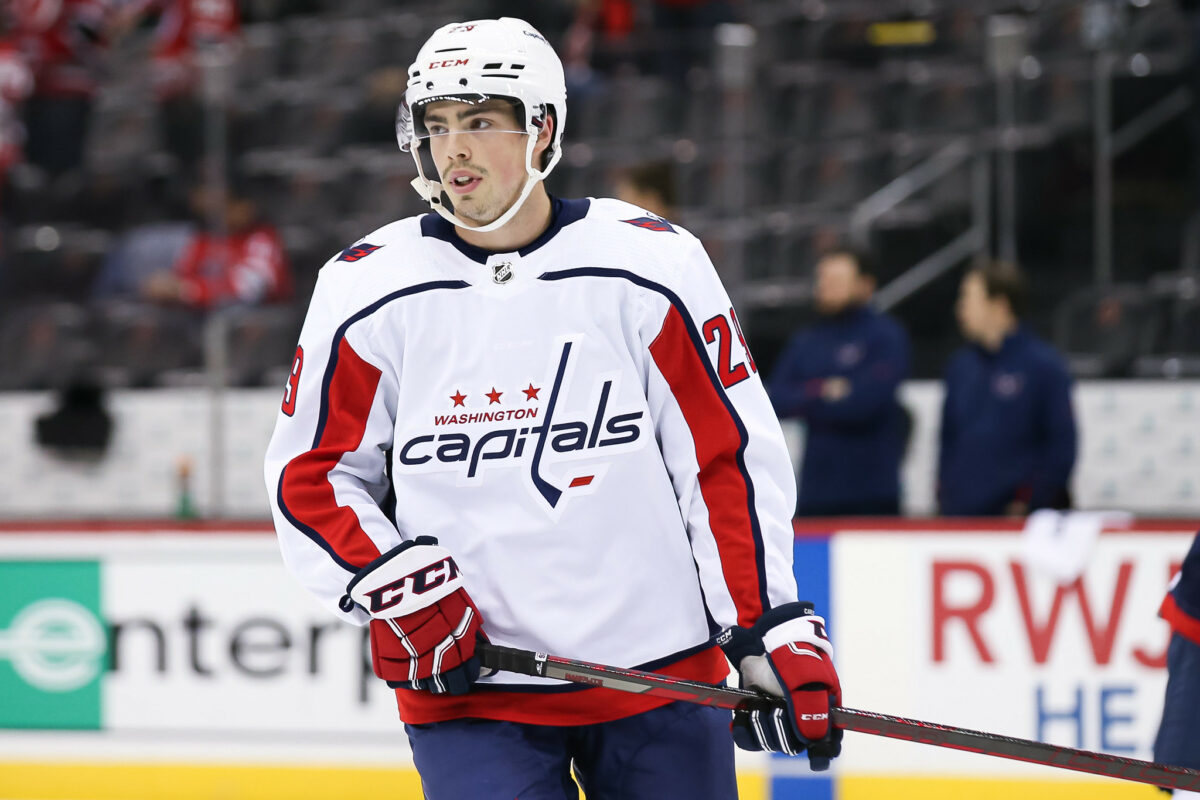
By moving Carlson ($8 million hit) and Dowd ($1.3 million), and bringing back Liljegren ($3 million) and Kampf ($1.1 million) on expiring deals, Washington has cleared massive space for the upcoming summer. With the NHL salary cap projected to jump to $104 million for the 2026-27 season, Patrick is sitting on a war chest.
This flexibility is the ultimate insurance policy. If the current roster falters, they have the assets and the cash to be the primary aggressors in the 2026 free-agent market. They aren’t just rebuilding; they are reloading with the intent to strike while the iron is hot.
The Verdict: A Risky Middle Ground
The consensus among analysts is, predictably, split. The Score liked the “sell-high” approach on aging assets, while Daily Faceoff rightfully pointed out that trading a leader like Carlson while only four points out of a playoff spot is a massive blow to team morale. RMNB gave the moves a “C,” citing a “half-in, half-out” strategy that failed to address the team’s glaring need for a top-six winger with term.
Ultimately, the 2026 Deadline was about choosing a direction. The Capitals chose “Forward, but carefully.” They stayed competitive enough to keep the lights on for Ovechkin’s twilight years, but they finally admitted that the roster as it was built had reached its ceiling. It’s a high-wire act — balancing the respect owed to a legendary core with the cold, hard math of a league that waits for no one.
AI tools were used to support the creation or distribution of this content, however, it has been carefully edited and fact-checked by a member of The Hockey Writers editorial team. For more information on our use of AI, please visit our Editorial Standards page.

