
There are nights when hockey seems predictable, when the standings tell you all you need to know before the puck even drops. And then there are nights like this one. Watching the Vancouver Canucks take on the Colorado Avalanche in Denver on Wednesday night was a reminder that the game doesn’t always care about logic. The best team in the league met one of the worst, and for long stretches—and in the final score—it simply didn’t matter.
The Canucks struck early, pushed hard, and then watched the game turn on them in waves. Momentum swung back and forth like a pendulum. Colorado surged, tied it 6-6, and seemed ready to complete what would have been a predictable comeback. But then something unexpected happened. Vancouver answered. Twice. And suddenly, improbably, they had an 8-6 win in one of the wildest games of the season.
Related: 4 Takeaways From Canucks’ Thrilling 8-6 Win Over Avalanche
That’s hockey, and this was a fun game to watch. On any given night, in any given building, the gap between first and last can vanish. For a Canucks team playing out the string, this wasn’t about the standings. It was about something simpler—and maybe more important. Pride.
Item One: Brock Boeser Leads the Way When It Gets Loose
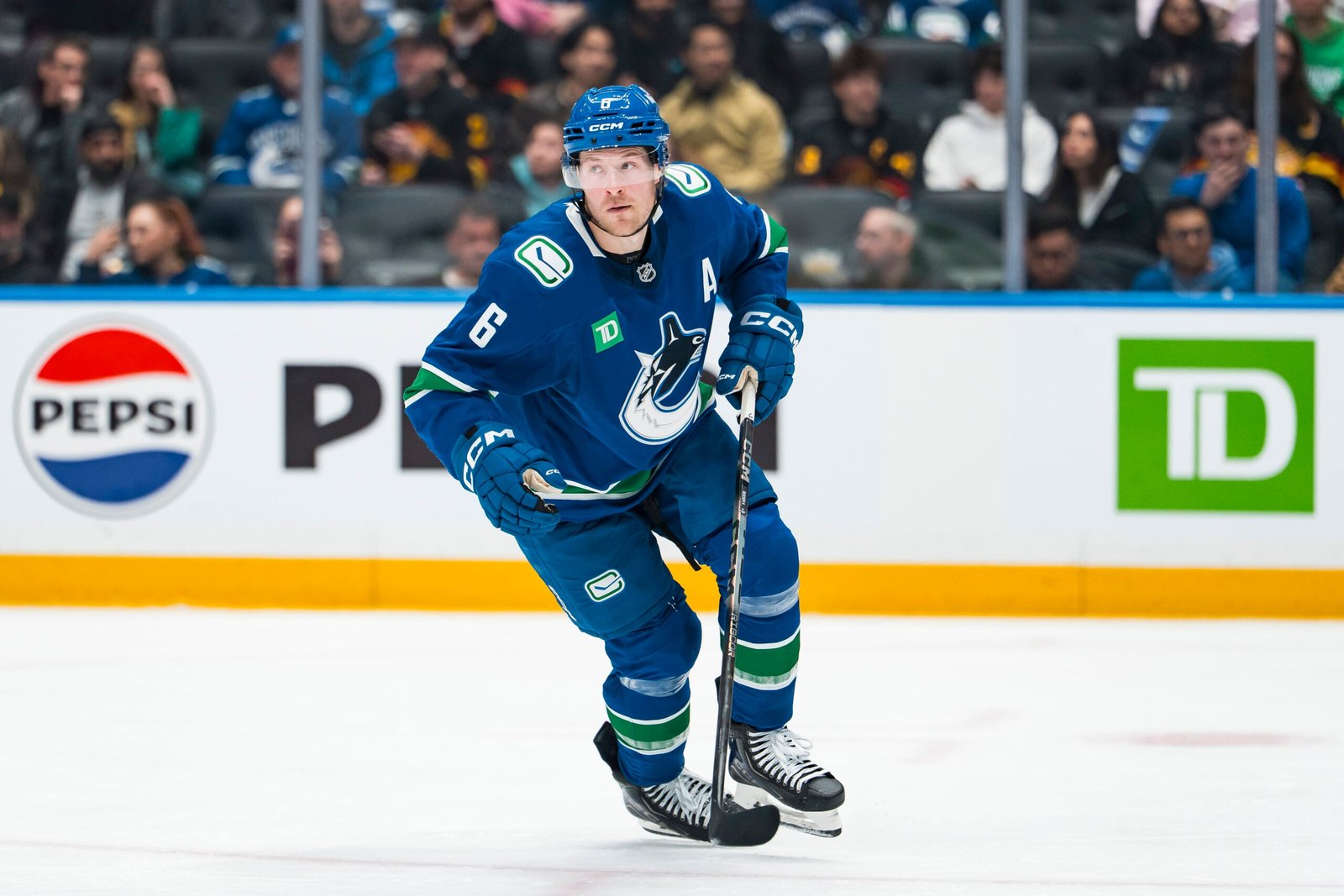
If a game is going to turn into a track meet, you need someone who can run with it. Brock Boeser did more than that—he drove the whole thing. A hat trick, an assist, and a presence that never seemed to fade, even as the game threatened to slip away.
(Ron Chenoy-Imagn Images)
What stood out wasn’t just the goals, but when they came and how they mattered. Boeser helped build the lead, then sealed the win with the empty-netter from distance when things got tense. On a team that has struggled to find consistency, he looked like a player fully in control of his game. There’s reassurance in that, even this late in a difficult season.
Item Two: The Canucks Won a Game That Refused to Settle Down
From the Canucks’ perspective, this was both exhilarating and a little unsettling. Vancouver built a 6-2 lead and still had to sweat. That’s the reality of playing a team like Colorado, led by players like Nathan MacKinnon, who found his 50th goal and never stopped pushing.
Related: Canucks Prospects Report: Cootes, Patterson, Alcos, Romani & More
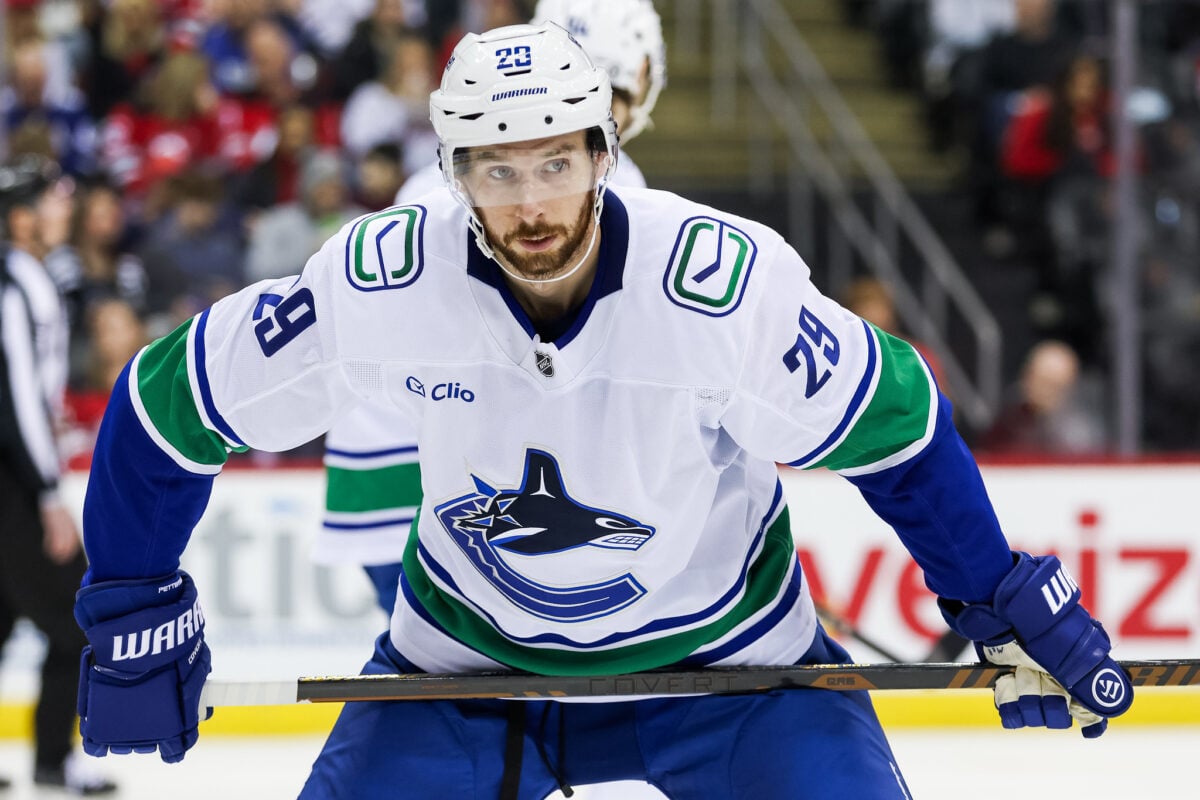
When the Avalanche tied it 6-6, it would have been easy—almost understandable—for the Canucks to fold. That’s how these seasons often go. But they didn’t. Instead, they pushed back. Marcus Pettersson stepped in with a quick response goal, and the group held on from there. It was only his second goal of the season.
It wasn’t perfect hockey. It wasn’t even particularly tidy. But it showed something that doesn’t always show up in the standings: resilience. For one night, at least, Vancouver refused to let the script write itself.
Item Three: Canucks Veterans Paving the Way for the Future
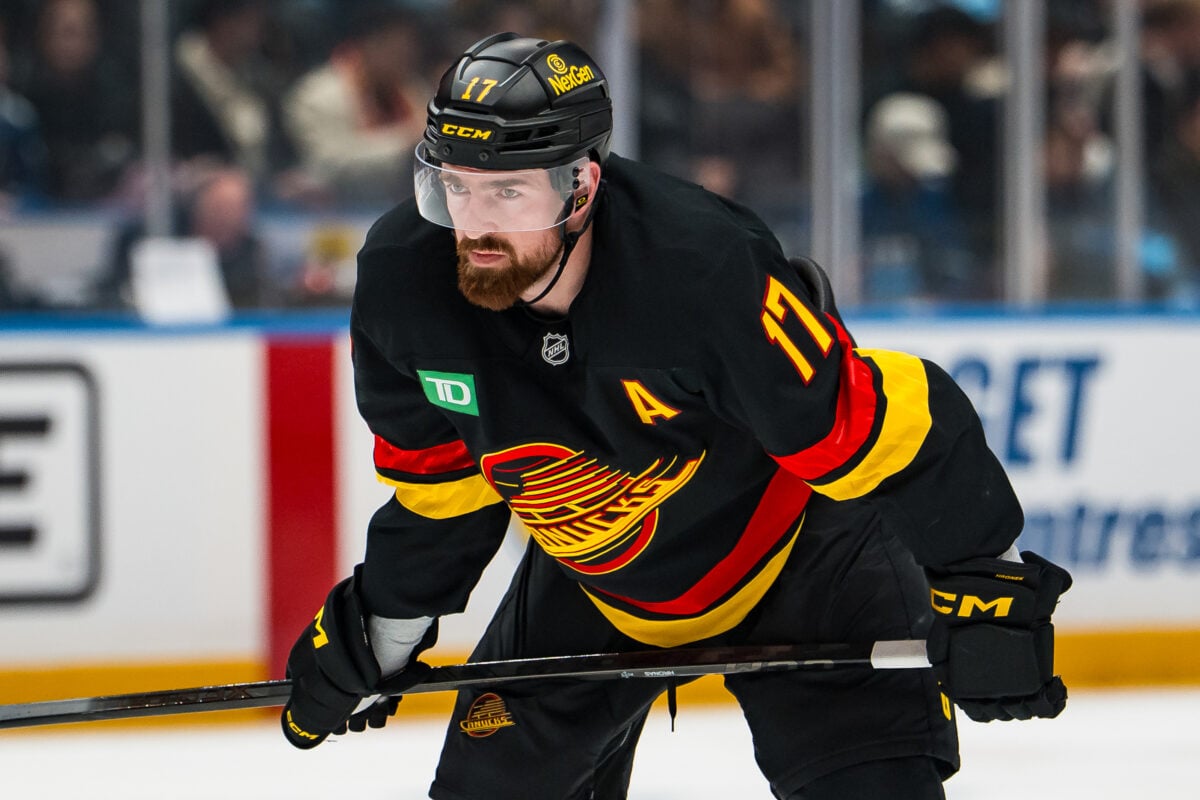
For Canucks fans, there’s a genuine reason to be excited. While the team may be near the bottom of the NHL standings, the mix of promising youngsters and steady veterans is beginning to show its potential. In games like last night, you could see exactly how the contributions of experienced players can set the tone. Boeser and Teddy Blueger didn’t just score—they led by example, showing the kind of presence the team will need as it rebuilds and grows. Add Filip Hronek, who brings consistency and intensity night after night, and the foundation for leadership becomes clear.
Related: How Kirk McLean Sparked a Canucks Playoff March
Boeser, in particular, has taken his game to another level. Once criticized for fading under pressure, he now emerges in the moments that matter, driving play and energizing teammates. Blueger, meanwhile, is fire on ice—a relentless competitor whose work ethic and energy are contagious. Rumours of Hronek becoming the next captain make perfect sense: he’s always present, always engaged, and increasingly the heart of this team. Together, these veterans offer the Canucks a balance of skill, grit, and leadership, providing a template for how the youngsters can grow into stars without being thrown into chaos.
What makes this group especially promising is the blend of excitement and experience. The young talent on the roster—players with speed, skill, and raw scoring potential—can learn from these steady hands while also feeling empowered to make plays. Boeser’s emergence, once considered a question mark, now seems like a cornerstone around which the team can be built.
Blueger’s relentless style ensures that effort and commitment are never negotiable. If the Canucks can continue to integrate these veterans with their up-and-coming players, the future looks not just bright but genuinely exciting. This isn’t just a rebuilding team—it’s a team learning to lead itself, with Boeser, Blueger, and Hronek at the forefront.
What Comes Next for the Canucks?
The standings aren’t changing much—the Canucks are still near the bottom, and that’s where they’ll finish. But wins like this one matter anyway. It’s about pride, habits, and proving to themselves that the work they’re putting in still counts. Beating the best team in the league, even once, isn’t just a fluke—it’s a reminder of what’s possible when everything clicks.
Related: What Went Wrong Between Miller and Tocchet in the Canucks Leadership Clash?
There’s also the evaluation side of things. Who steps up when the game gets messy? Who handles pressure and shows they belong on the team long-term? That’s what the Canucks are figuring out, and it’s not all on the scoreboard. They move on, still near the bottom, but maybe a little more confident, a little more experienced, and reminded of why hockey can be fun even in a tough season.

