
The Toronto Maple Leafs don’t hit the ice again until Wednesday night against the Washington Capitals, which leaves a bit of breathing room — for the team and for anyone trying to make sense of where things are headed. At this point in the season, there’s a sense that the bigger story is forming just beneath the surface. The Maple Leafs are, in many ways, playing out the string, and that shifts the focus. It’s less about any single result and more about what — and who — is shaping the team’s future.
Related: 7 Cool Things About Maple Leafs’ Goalie Felix “The Cat” Potvin
That makes this a good time to take stock. A few quieter storylines are starting to carry more weight, from depth players trying to hang on, to young players carving out identities, to the organization’s growing efforts behind the scenes. None of these are front-page headlines on their own, but together they start to sketch a picture of what the team might look like a few months from now.
Item One: Troy Stecher’s Early Jump Has Given Way to Questions
When Troy Stecher first stepped into the lineup, he gave the Maple Leafs a noticeable lift. There was a jump in his game, a kind of urgency that made him stand out right away. He closed quickly, moved the puck with confidence, and played like he was determined to make himself part of the solution. For a while, it worked. He looked like a useful, reliable piece who could bring energy to the back end.
Lately, though, that impact has faded. His offence has dried up — no points in eight straight games and just three in his last 18 — and with it, some of that early buzz. Even with Oliver Ekman-Larsson out, Stecher hasn’t been able to climb much higher than a depth role. He’s still competing, still blocking shots, but it’s quieter now.
Related: 3 Surprising GM Candidates for the Maple Leafs
The question is whether that first impression was the real version of him, or just a good stretch at the right time. Either way, he’s turned himself into a bit of an offseason decision point. He’s on an expiring contract. Will the team keep him beyond this season?
Item Two: Easton Cowan Is Starting to Push Back
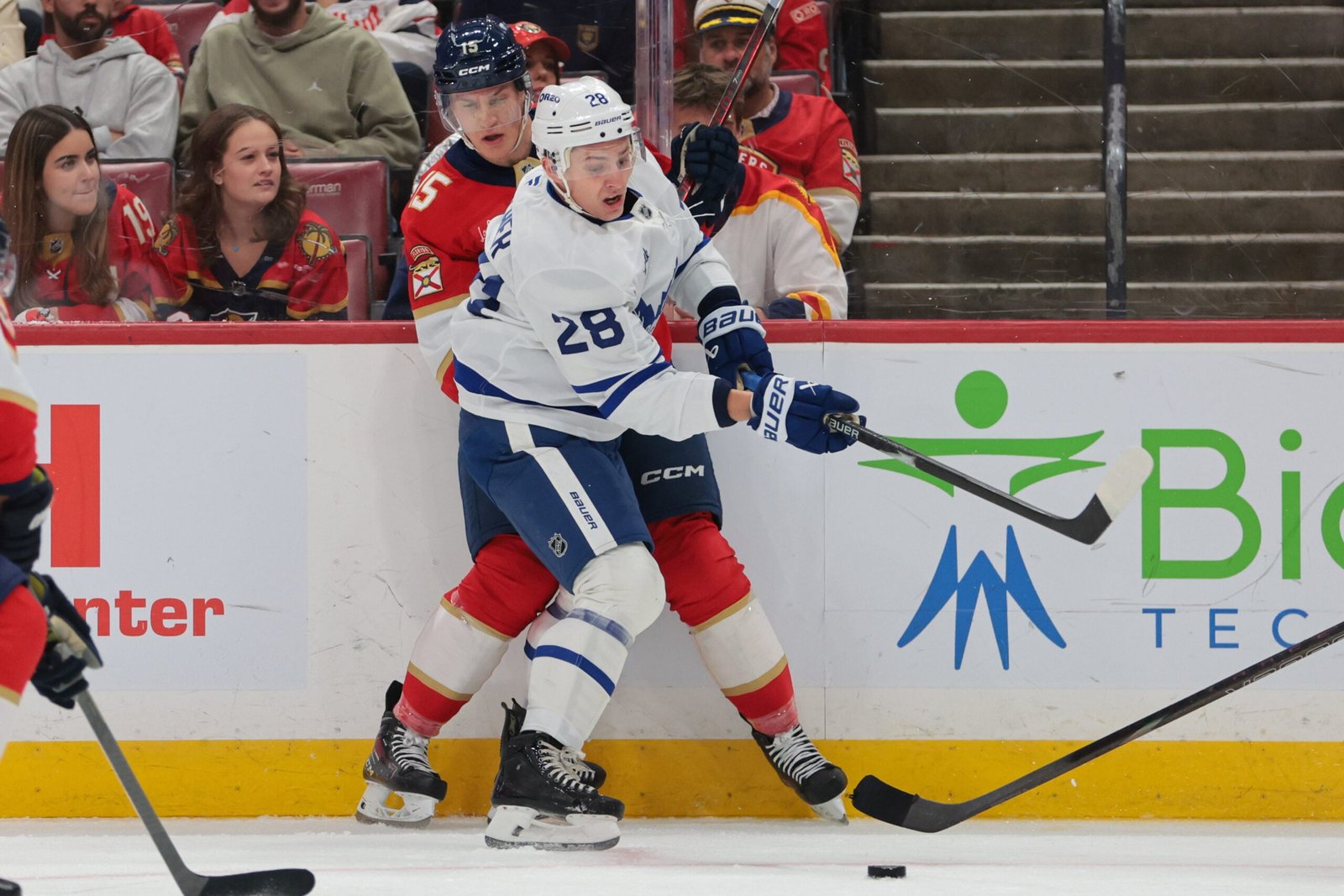
If Stecher’s story is about momentum slipping, Easton Cowan’s is about it building. There’s been a shift in how he’s playing, and it’s not subtle. With Auston Matthews injured and the team needing a response, Cowan has leaned into a more physical, involved style. He’s finishing checks, getting into scrums, and generally making himself harder to play against.

What stands out is that it hasn’t taken away from his offence. He’s on a small run — four points in three games — and looks more comfortable with the puck than he did earlier in the season. He’s not a big player, but he’s not playing small either. And that matters.
Related: Maple Leafs’ Holinka Reaching Hidden Gem Territory With Playoff Performance
Players who can mix skill with a bit of edge tend to stick around. Right now, Cowan looks like he’s figuring that out in real time, which makes him a young player worth watching. Maple Leafs fans are only getting hints of what kind of player he might become next season or the year after.
Item Three: Why the Maple Leafs Are Making Gains in the NCAA Market
Not every important development happens during games. Behind the scenes, the Maple Leafs seem to be building something that could pay off down the line — especially when it comes to recruiting NCAA talent. Prospects like Hayes Hundley and Brandon Buhr have talked about how well they’ve been treated by the organization, and the details are telling.
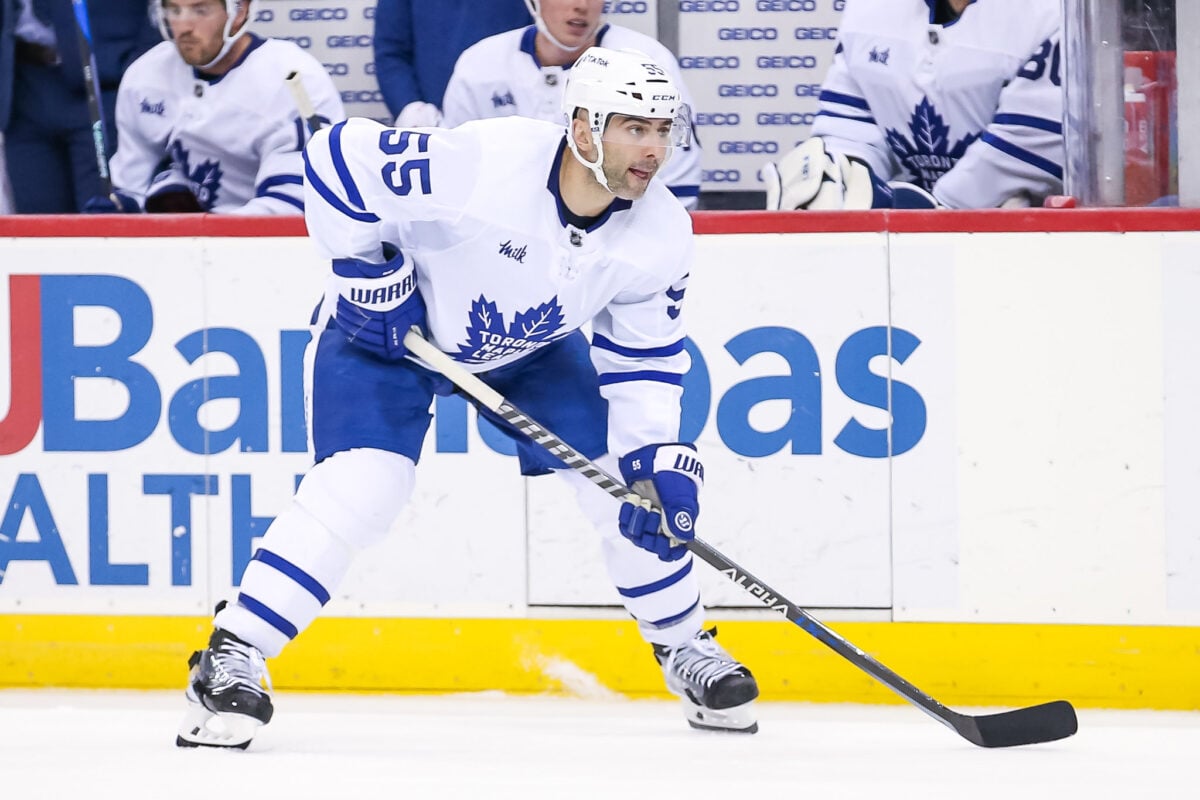
(Jess Starr/The Hockey Writers)
They’ve been like Jake Muzzin, Mark Giordano, and Kyle Clifford. That’s a level of exposure and mentorship that sticks with young players. For a team that operates under the same salary cap constraints as everyone else, this kind of edge matters.
The Maple Leafs can’t simply outbid teams, but they can create an environment that players want to join. There’s always been a sense that Toronto’s spotlight might work against them in recruiting, but these early impressions suggest the opposite could be true. If that continues, it gives the organization another way to add talent without paying a premium.
What’s Next for the Maple Leafs?
The next few weeks will pass quickly enough, but the real intrigue is what comes after. This offseason feels like it carries more weight than most. There are roster spots to sort out, roles to redefine, and a handful of players — like Stecher — who sit right on the edge of the team’s plans. The Maple Leafs have tried to reshape themselves over the past year, leaning more into structure and defence, but the job is only really beginning.
Related: Simplistic Thinking Won’t Fix the Maple Leafs — Here’s What Might
At the same time, there’s a sense that something is building. Younger players like Cowan are starting to emerge, and the organization’s work off the ice — especially in recruiting and development — might begin to show real results. If you can’t consistently land top prospects in the draft, you have to find them in other ways. It looks as if the team knows that and is building that part of their system.
The big questions aren’t going away, of course. They never do in Toronto. But this offseason might be less about one dramatic move and more about a series of smaller decisions that, together, push the team in a slightly different direction. When you’ve painted yourself into a corner with past decisions, the way out has to be creative. That will make the Maple Leafs an organization to watch this summer.

