
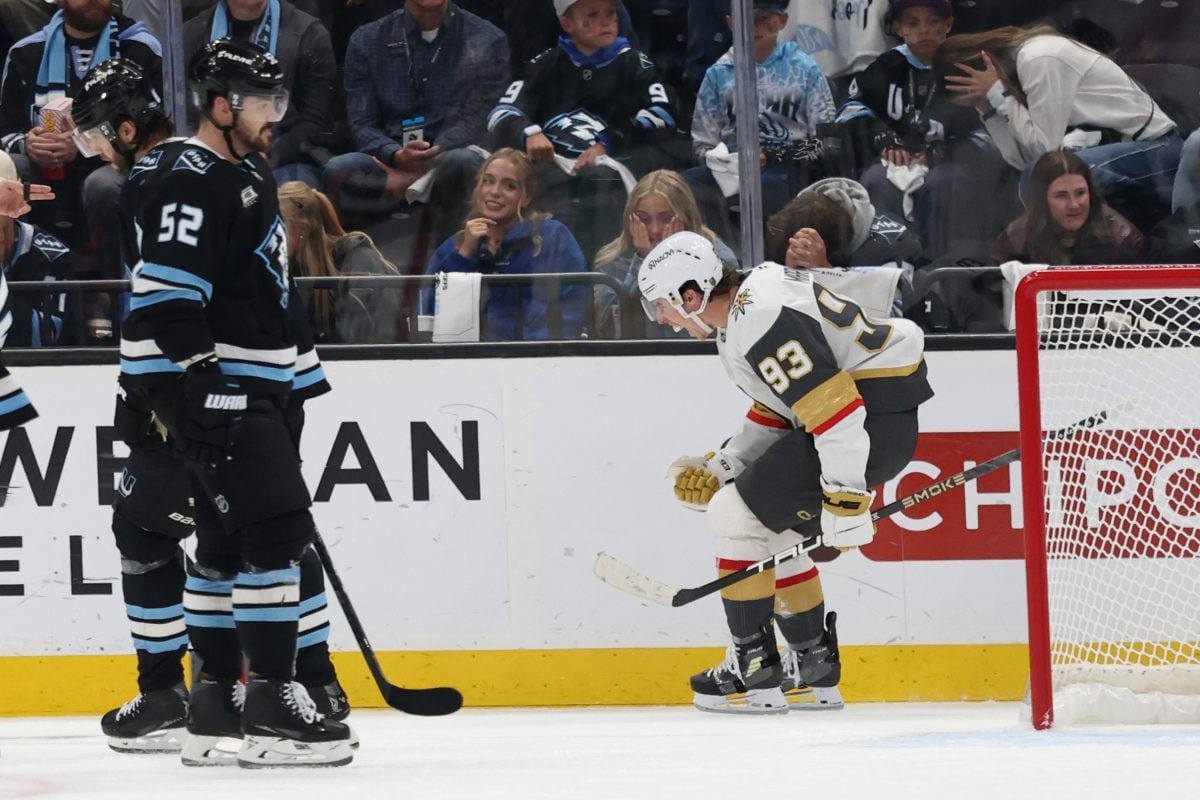
The concept of “the heel” has been around long before it became a pop culture term. Professional wrestling has just turned it into an art. The heel is the bad guy who enjoys being disliked, breaks the rules, causes drama, and gives fans someone to root against. Heroes attract fans, but heels get people emotionally invested. Fans watch, hoping to see the villain lose, and when the villain keeps winning, it only makes people care more.
The Vegas Golden Knights are the NHL’s version of a wrestling heel. Right from the start, when they joined the league under expansion rules that many fans thought were too generous, they didn’t care much about what others thought. They found success quickly, and the resentment followed just as fast.
Vegas has never shown much interest in being liked. The organization most recently fired its Stanley Cup-winning coach and replaced him with the league’s most abrasive and confrontational coaches. Many around the league viewed the move as unnecessary and disrespectful, the kind of heel move that reinforces the Golden Knights’ villain status. Now, they are back in the Stanley Cup Final, turning a widely criticized decision into yet another example of the organization’s ruthless approach paying off. Most organizations try to explain themselves when controversy follows. Vegas doesn’t bother.
Born Controversial
The Golden Knights entered the NHL in 2017 and immediately became one of the league’s most resented franchises before they had even played a game. The reason was simple: expansion rules that many executives and fans alike viewed as extraordinarily generous.
Teams could protect either seven forwards, three defensemen, and one goalie, or eight skaters and a goalie. Golden Knights general manager (GM) George McPhee took full advantage of these rules. Other teams, afraid of losing players, offered draft picks and side deals to influence Vegas’s choices, making the Golden Knights a powerhouse for collecting assets. This led to an expansion roster unlike anything seen in the salary-cap era. Vegas avoided the usual struggles of a new team and started out with real NHL depth, trade options, and players other teams wanted to keep.
The Golden Knights were good right away, making it to the Stanley Cup Final in their first year before losing to the Washington Capitals in five games. Most people felt they had skipped the usual growing pains of an expansion team, but Vegas just shrugged it off. They manipulated the rules to such an extent that the NHL had to change them before the Seattle Kraken’s turn.
A Pattern, Not a Coincidence
What happened after the expansion years only made it clearer that Vegas doesn’t just bend the rules. The team studies them, looks for every possible advantage, and uses it without apology.
The boldest example is their use of the long-term injured reserve (LTIR). Here’s how it worked: a player with a big contract would get legitimately hurt. That is not in question. However, instead of coming back quickly, that player’s recovery would last through the regular season. This opened up cap space to bring in more talent before the player returned, just in time for Game 1 of the playoffs, when the salary cap didn’t matter. No one could prove the injuries were intentionally managed, and that was the whole idea. The NHL closed this loophole before the 2025-26 season by adding a playoff salary cap. Once again, Vegas took advantage of the rules, and the league had to change them.
Vegas has shown little sentiment for the players who helped build the team. Marc-André Fleury, loved by fans and teammates, was traded to save cap space. Jonathan Marchessault, part of the original core and a key player in their first Cup win, was let go in free agency. There was no sentiment and no loyalty.

Any one of these moves could be explained on its own. But together, they show a clear philosophy: rules are there to be used to the fullest. The roster is built to win. Feelings, whether from players, fans, or the league, are not Vegas’s concern.
The Heel Doesn’t Need Your Approval
The Golden Knights’ signing of their current starting goalie, Carter Hart, caused a significant backlash and revealed how the organization operates once it’s decided. Hart was among five former Team Canada players charged with sexual assault relating to an incident in London, Ontario, the darkest, most scrutinized Canadian hockey scandal. Ontario Superior Court Justice Maria Carroccia acquitted all on July 24, 2025, ruling that prosecutors did not meet the burden of proof.
Even before the signing, the Golden Knights’ intentions were clear. During training camp last September, reporter Mark Lazerus asked defenseman Noah Hanifin about the case during locker room media time. The team called it an ambush, removed Lazerus, and revoked The Athletic’s credentials for that night’s preseason game. Their decision was already made, and the team showed no interest in discussion. The NHL reinstated the players in October, and Vegas signed Hart to a tryout on Oct. 16, one day after he became eligible. There was no press conference or outreach. Supporters called it a hockey decision; critics said Vegas didn’t care about appearances. Both have a point.
A Franchise Comfortable With Conflict
One controversy can be random. Several signals an operation. Vegas fired coach Bruce Cassidy on March 29, 2026, with eight games left and a playoff spot just about clinched. Cassidy had won the team’s first Stanley Cup in 2023, his first season with the team, so the timing stunned the league.
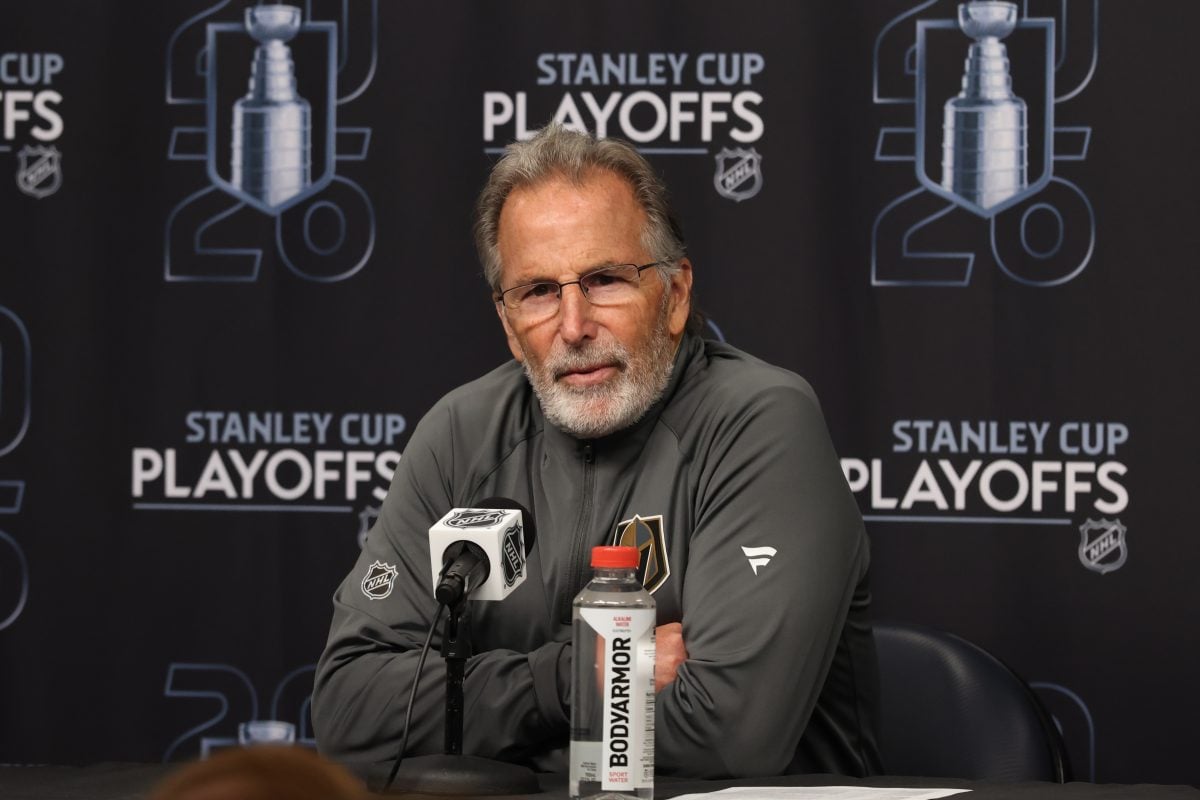
Replacement coach John Tortorella brought confrontation. After a 5-1 Game 6 win over the Anaheim Ducks, he skipped the postgame press conference and the locker room was closed to media. The NHL, citing prior warnings, fined Tortorella $100,000 and stripped the Golden Knights’ 2026 second-round draft pick. Vegas’s appeal was denied the same day. The team also denied Cassidy the opportunity to interview elsewhere, even though he won them a Cup. Loyalty? Not here. Feelings be damned, fines get paid, picks are lost, but Vegas keeps moving.
The Golden Knights’ Chosen Identity
The Golden Knights have become the NHL’s heel. Unlike teams that stumble into that role, they embrace it. They don’t seek approval, offer explanations, or care if fans outside Nevada love or hate them. They make decisions to win and accept the consequences.
That approach fits both Vegas and modern sports. Like the city, the Golden Knights thrive on spectacle. Like pro wrestling, they know being noticed matters more than being loved. Some fans admire them; others can’t stand them. Regardless, people pay attention.
While most hockey organizations seek respectability, consensus, and approval, Vegas takes another route. The Golden Knights’ brand is built on aggression, opportunism, and unapologetic pursuit of victory. And for their critics, the maddest part is that it keeps working.
Each controversial decision that leads to another playoff run strengthens their persona. Every executive gamble that succeeds reinforces the idea that Vegas plays by its own rules. Each victory brings louder boos and makes the team less likely to change.
Free Newsletter
Get Vegas Golden Knights coverage delivered to your inbox
In-depth analysis, breaking news, and insider takes – free.
