Before getting into this, I want to be upfront about my perspective. I’m nearly 80 years old, and I grew up in a different time with different social rules. In my entire life, I’ve never flipped anyone the bird or given anyone the finger. In my family, it was always perceived as a deliberate insult—something you didn’t do unless you meant it. It wasn’t my way then, and it isn’t my way now.
At the same time, I’ve spent most of my life being careful about words and gestures that can’t be taken back once they’re public. Once something is said or done in public, it tends to linger. That instinct—to think before acting—shapes how I see moments like this.
Related: Nylander Gesture Under NHL Review, Reflects Maple Leafs’ Season
But I also don’t want to be ignorant of context. The world young players are growing up in today isn’t the one I grew up in. Meanings shift. Intent matters. So, if I’m going to weigh in, I have to account for the cultural gap as much as I do for my own values. That’s the lens I’m using here—not to defend a gesture I wouldn’t engage, but to question the reaction that followed.
When I First Heard About Nylander’s Gesture
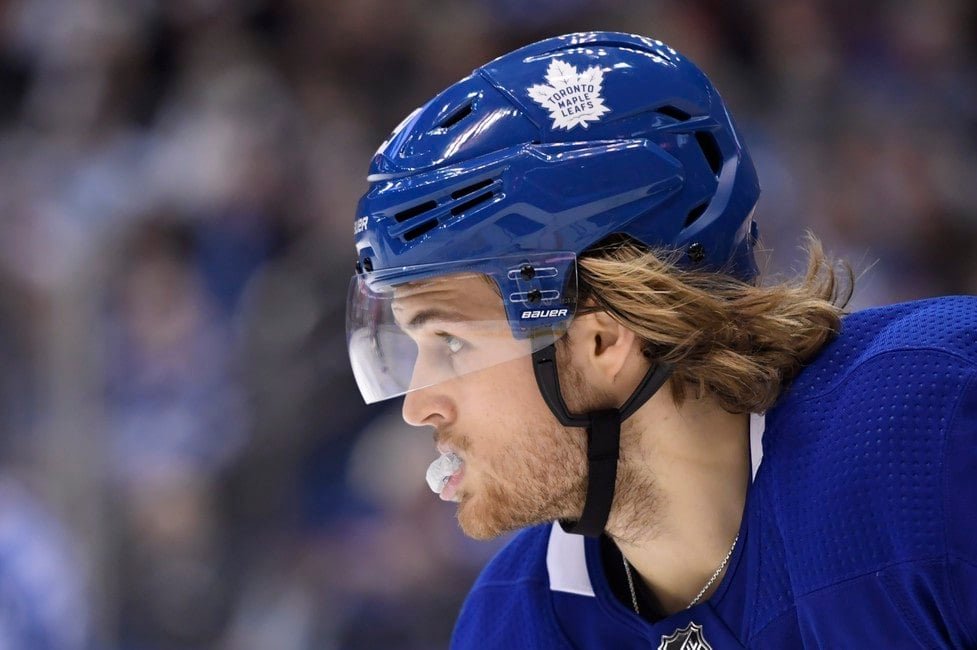
When I first heard the report about William Nylander‘s gesture at the last Toronto Maple Leafs game, I didn’t think too much about it. Wrong-minded, for sure. Morally reprehensible? Probably not. Harmful? Not so much.
Nylander, caught on camera during a frustrating night against the Colorado Avalanche, flipped the bird. As I said, it’s not something I’d ever do myself. I don’t celebrate it or support it. In hindsight, he probably realizes he shouldn’t have and wishes he hadn’t.
Related: What Nylander and Matthews Reveal About the Maple Leafs
But what really caught my attention was the reaction. Immediate outrage, moralizing, talk of NHL investigations and discipline—as if something corrosive had happened. That’s when I had to step back and ask a bigger question: Why does the NHL choose to focus on moments like this, and not others?
The NHL Is Great at Policing Optics—But Not Culture
A gesture caught on camera is easy. Freeze-frame, replay, headline. The league can say, “This is not who we are!” without examining what happens during the other 59 minutes of a game.
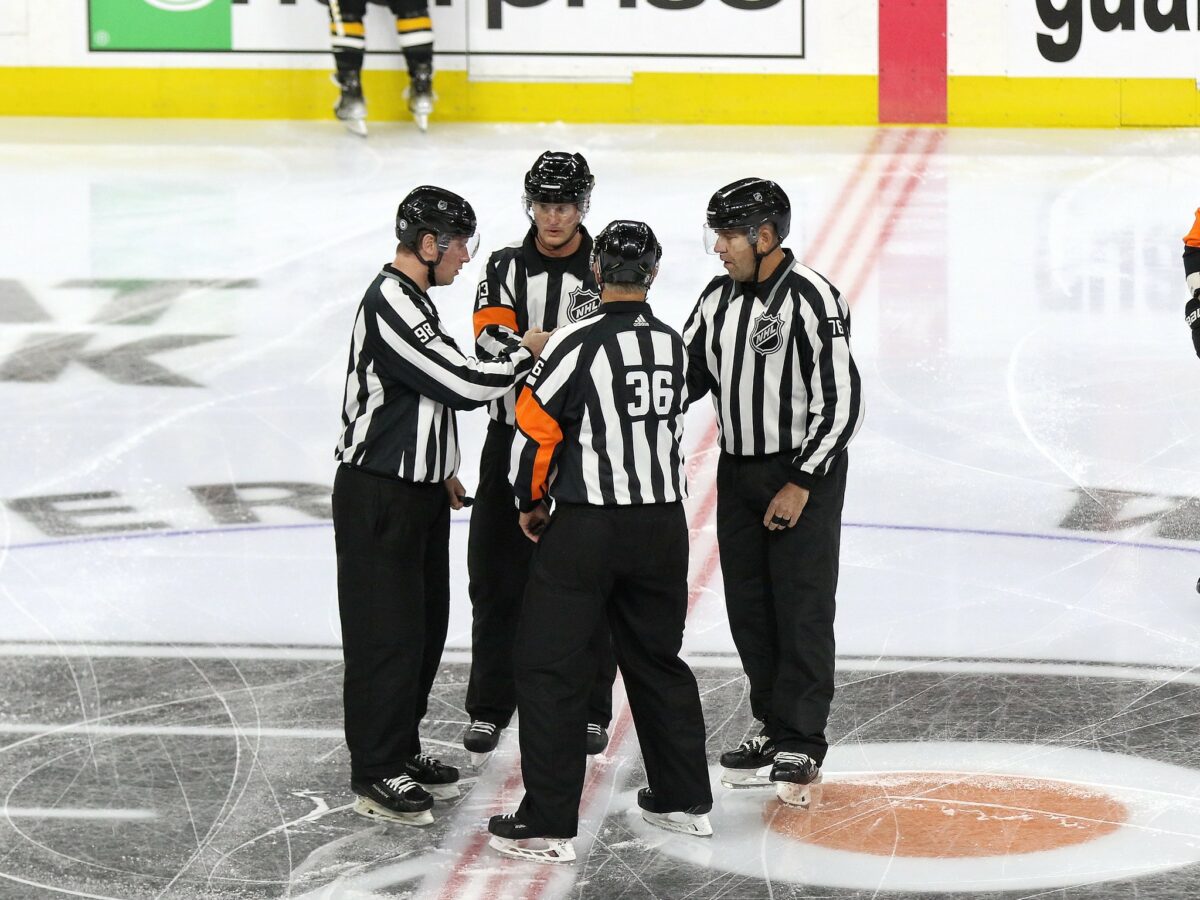
Culture is harder. Anyone who watches hockey knows what the ice sounds like. F-bombs are constant. Players berate each other. Officials absorb constant abuse. Coaches yell and curse in ways that would end most people’s careers elsewhere. That hostility—intimidation, verbal aggression, derision—is normalized as “part of the game.”
(Amy Irvin / The Hockey Writers)
Yes, the league has drawn firm lines around racial slurs and homophobic language, and rightly so. But beyond that, a lot of behaviour goes unchecked, because it’s embedded in hockey’s identity.
In the NHL, Physicality Is Sanctified
Hockey also tolerates a level of physical harm that’s often extreme. Postseason plays are full of it. A forward can cut hard across the crease, hit a goalie in the head or shoulder, and end his series. No suspension. Sometimes, not even a penalty. It’s framed as “playoff hockey,” “going to the hard areas,” or “you have to pay a price.”
Related: Are Maple Leafs Better Off Keeping William Nylander — or Cashing In?
The damage is absorbed into mythology. Pain is proof of commitment. Injury is collateral. Careers hang in the balance. And the conversation moves on. Physical harm—even predictable, avoidable harm—is valorized, while minor emotional lapses trigger outrage. That contrast is glaring.
Nylander’s Gesture Considered in Context
Now put the violence next to Nylander’s finger. No one was hurt. No one was threatened. No one missed a shift, let alone a series. It was crude, unnecessary, and caught on camera. But it was also harmless. And yet it triggered moral panic, investigations, a fine, and deep concern about standards.
His fine, issued by the NHL’s Division of Player Safety, is a further reminder of the deep irony. As George Parros noted, “This serves as a reminder that the code of conduct governing players extends throughout the arena at NHL games and in public game situations.”

That’s the uncomfortable truth: the NHL is far more disturbed by breaches of decorum than by predictable, avoidable violence. Why? Because that violence fits within accepted frames. Physicality is central to the league’s identity, and to question it would mean confronting playoff narratives, fan expectations, and the sport’s economic engine.
Criticizing a crude, but harmless, gesture? That’s safe, easy, and costs nothing.
The Real Insight About the NHL’s Ironic Actions
Nylander’s a bit of a strange duck, but he isn’t a habitual line-crosser. He said he was frustrated, caught in a moment, caught on camera. The correction’s already happened. Lessons are already learned. What doesn’t sit right is the disproportionate scale of the response—and what it reveals about institutional priorities.
The NHL prefers moments it can manage over embedded cultures it might have to confront. One requires a statement. The other requires introspection. Condemning a gesture is easy. Questioning culture, language, aggression, and physicality? That’s risky business.
Related: Everything Is Harder for the Maple Leafs When Nylander Isn’t in the Lineup
If we care about standards, respect, and shaping real behaviour, consistency matters. Otherwise, we’re not teaching players anything meaningful. We’re just managing the optics.
And that’s the rock Nylander’s middle finger really turns over—not whether he made a mistake, but whether we’re willing to admit how selectively we choose which actions are treated as important.

