
Every year around this time, the Atlantic Division becomes a math problem nobody enjoys solving. Points are tight, schedules are heavy, and suddenly every midweek game feels like a referendum on a season. Hockey Central tried to sort it out this week, asking the simple question that never has a simple answer: who’s actually getting in?
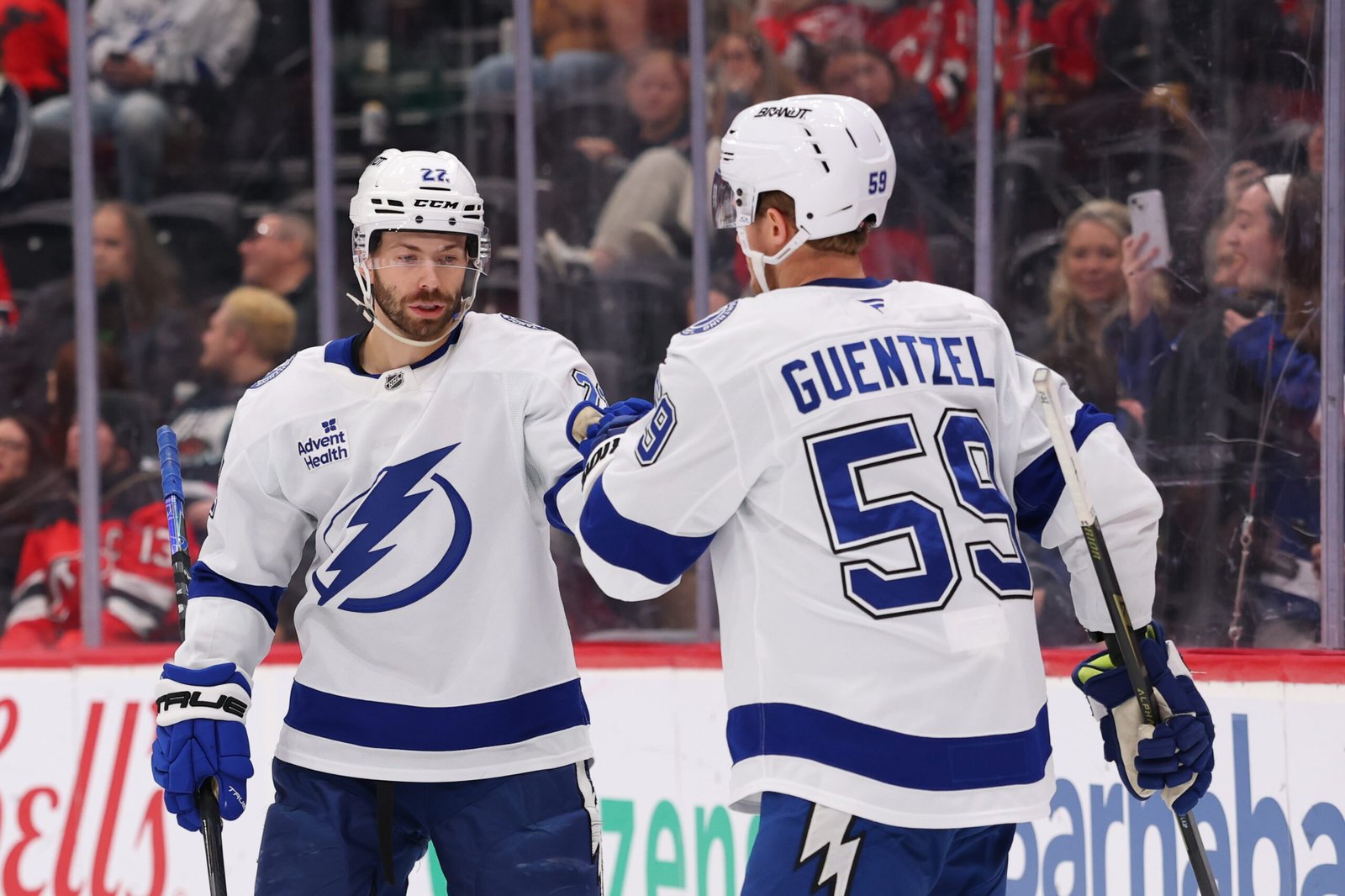
There was some immediate agreement on the Hockey Central panel. The Tampa Bay Lightning are in, at least, everyone still believes so. Montreal Canadiens as well – there’s a surprising sense that what they’re building feels real and sustainable. Put those two aside, and the arguments start to get interesting fast.
All the Hockey Central Panellists Chose the Maple Leafs to Make the Postseason
Toronto, for once, wasn’t the lightning rod. All three panellists had the Toronto Maple Leafs in, which suggests they look stable relative to the chaos around them. The Maple Leafs feel far from perfect and certainly are not dominant. Other than being ravaged by injuries, Toronto is trending in the right direction—and in this division, that might be enough.
Related: NHLers by Country: On Top of Their Game and the World
The real fault line was the Detroit Red Wings versus the Buffalo Sabres. Two of the three panellists leaned toward the Sabres, and that raised some questions given the Red Wings’ recent success. The explanation was blunt: Detroit has been punching above its weight class. Strong goaltending—especially from John Gibson—has papered over a team that might be closer to average than the standings suggest. When that margin tightens in the second half, collapses happen fast. We’ve all seen it before.
Buffalo, on the other hand, might be more hope than proof, but there’s a sense they’re closer to figuring it out. Call it a heart pick if you want, but the argument was that the Sabres’ best hockey could still be ahead of them, while Detroit may already be playing above its head.
What About the Florida Panthers?
Then there’s the Florida Panthers, and the discussion around them was fascinating. Everyone but one panellist had the defending champs in. The lone dissent wasn’t casual about it either—he went on record when injuries hit and stuck with it. His concern was simple: twelve Panthers are heading to the Olympics. That’s a lot of miles, a lot of wear, and very little rest during a break that’s supposed to reset teams for the stretch run.
Related: Ekman-Larsson Was the One Loss the Maple Leafs Couldn’t Afford
Still, the counterargument was strong: when pressure ramps up, Florida tends to look comfortable. They’ve been there. They know how to manage big games. Until someone proves they can knock them out, the Panthers still get the benefit of the doubt—even if the margins are thinner than last year.
The Senators Sparked the Most Disagreement with the Panel
The Ottawa Senators sparked the most disagreement. Two panellists had them in. One didn’t buy it at all. The concerns weren’t dramatic—just structural. Goaltending uncertainty. Inconsistent pace. One night, they look dangerous; the next night, flat. That kind of emotional whiplash is hard to survive in a division this tight.

The pro-Ottawa argument leaned on experience. That eventually, they’d find a way to grind points. The counter was simple: experience only helps if the roster can hold together, and right now, too much still feels unfinished.
The Bottom Line in the Atlantic Division
Then there’s the Boston Bruins. The Bruins are technically in a playoff spot, but nobody on the panel sounded convinced. Outstanding goaltending has kept them afloat, but when you scan the roster top to bottom, it’s fair to wonder where the margin comes from. Other teams in the division look deeper, faster, and more dangerous in layers. Boston might hang around—but belief is fading.
Related: What if the Bruins Had Kept Ken Dryden?
So, where does that leave the teams? Exactly where the division always leaves them. Fans are staring at a pile of good teams, not enough spots, and a calendar that’s about to become unforgiving. With the Olympic break two weeks away, every game feels heavier now. Points lost aren’t easily replaced. And teams that look stable today can unravel quickly if one thing goes sideways.
The Atlantic doesn’t reward patience or optimism. It rewards teams that survive three bad nights without turning them into ten. By the time this sorts itself out, nobody will feel lucky to have survived it—but a few teams will be proud they did.

