
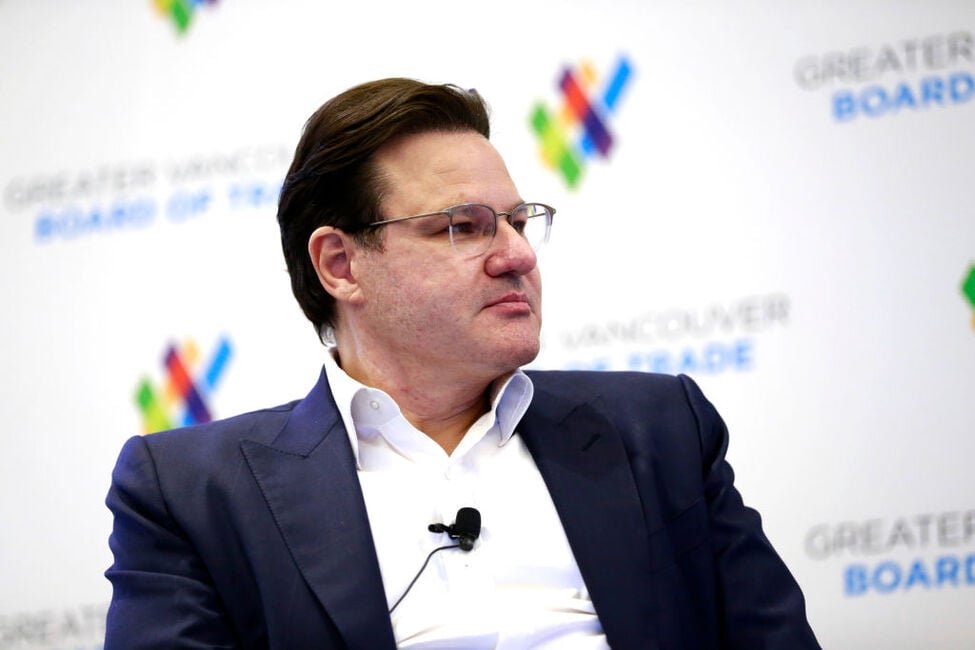
There is a familiar sense of dread settling over Vancouver, and for once, it has nothing to do with a late-game defensive collapse or a standard-issue goaltending injury. Instead, the anxiety stems from the boardroom.
While Jim Rutherford, the Vancouver Canucks’ president of hockey operations, is currently pounding the pavement to find a new general manager, a troubling reality has emerged: the final call doesn’t belong to the man with the three Stanley Cup rings. It belongs to Francesco Aquilini. For a fan base that has spent a decade watching the team spin its wheels in the mud of mediocrity, the rumours that the owner is steering the ship are less of a reassurance and more of a warning siren.
The Problem with Multiple GM Shortlists and Organizational Disconnect
In a functional NHL front office, there is a clear hierarchy. The president identifies the vision, the GM executes it, and the owner signs the checks. In Vancouver, that line is currently a chaotic scribble. Reports indicate that instead of a unified front, there are at least three competing lists of GM candidates circulating within the organization: one from Rutherford, one from the business side, and one from ownership.
This isn’t just a “too many cooks” situation; it’s a fundamental breakdown of organizational logic. When ownership maintains a separate list of preferred candidates, it undermines the authority of the hockey experts they hired to fix the mess. If Rutherford’s preferred candidate doesn’t align with Aquilini’s, who wins? History suggests the man with the pen. This internal friction creates a “blurred lines” environment where a new GM might not know if they are answering to a hockey legend or a real estate mogul.
Why Top NHL Executive Candidates Are Avoiding Vancouver
The NHL is a small circle. Executives talk, and the horror stories regarding Vancouver’s management style have become league lore. Aquilini has previously been compared to Jerry Jones, the Dallas Cowboys owner famous for his total control over football operations (from ‘The Provies: The Tanev file and how it happened, the Vanek life, the back-patting life and the Aquilini reprise’ The Province, 11/7/17). In the NFL, that’s a quirk; in the NHL, where specialized cap management and scouting are paramount, it’s a deterrent.
During the Mike Gillis era, it was common knowledge that ownership was involved in the minutiae of player trades and daily hockey ops. For a veteran executive with a proven track record, that level of interference is a dealbreaker. Why would an established, top-tier candidate move their family to the West Coast only to be micromanaged on a Tuesday afternoon about a third-line roster move?
The result is a thinning of the talent pool. The Canucks risk being left with recycled candidates or individuals desperate enough for a paycheck to ignore the dysfunction. If you can’t attract the best minds in the game, you can’t build a championship roster.
The Historical Blockage of a Patient Canucks Rebuild
The most significant grievance held by the Vancouver faithful is the lack of a coherent, long-term plan. For over a decade, the franchise has been stuck in a cycle of retooling on the fly — a strategy that usually involves trading away future assets for aging veterans in a futile attempt to make a push for the final playoff spot.
This isn’t a failure of the scouts or the coaches; it’s a directive from the top. We’ve seen this movie before:
When Linden left, the team pivoted to signing veteran character players to expensive, long-term deals. These moves didn’t make the team a contender; they simply capped out the roster and prevented the team from drafting high enough to land truly generational talent. The refusal to embrace a teardown rebuild has kept the Canucks in the NHL’s “mushy middle” — not good enough to win, but not bad enough to truly replenish the cupboard.
Can Jim Rutherford Truly Provide Autonomy?
Rutherford recently went on the record stating that the incoming GM will have “total control” over hockey decisions. On paper, that sounds like exactly what the doctor ordered. However, in the context of Vancouver’s recent history, it feels like a hard sell.
The concern is that any GM hired under the current framework will be entering an alignment trap. If they agree with ownership’s win-now philosophy, they get the job. If they suggest a five-year plan involving asset accumulation and patience, they are likely crossed off the list. Therefore, the “total control” only exists as long as the GM’s decisions mirror the owner’s impulses.
For a knowledgeable fan base that understands the nuances of the salary cap and the necessity of a proper rebuild, this is the core of the anxiety. It doesn’t matter how many hockey trades are made if the underlying philosophy is flawed.
The Bottom Line for the Canucks Future
A GM is more than just a talent evaluator; they are the architect of a culture. If the foundation of that culture is built on ownership interference and a fear of long-term planning, the structure will eventually crumble — just as it has repeatedly over the last ten years.
As the interviews continue, the hockey world is watching to see if the Canucks can finally break the cycle. But as long as Aquilini holds the final vote on the hire, there is a lingering fear that the more things change, the more they will stay the same. Vancouver doesn’t just need a new GM; it needs an owner willing to step out of the spotlight and let the hockey people do their jobs. Until that happens, the “Jerry Jones of the North” remains the biggest obstacle to a Stanley Cup parade on Georgia Street.
AI tools were used to support the creation or distribution of this content, however, it has been carefully edited and fact-checked by a member of The Hockey Writers editorial team. For more information on our use of AI, please visit our Editorial Standards page.
Free Newsletter
Get Vancouver Canucks coverage delivered to your inbox
In-depth analysis, breaking news, and insider takes – free.
